
On the Wings of Life
What Monarch Butterflies Can Teach Us About Human Health
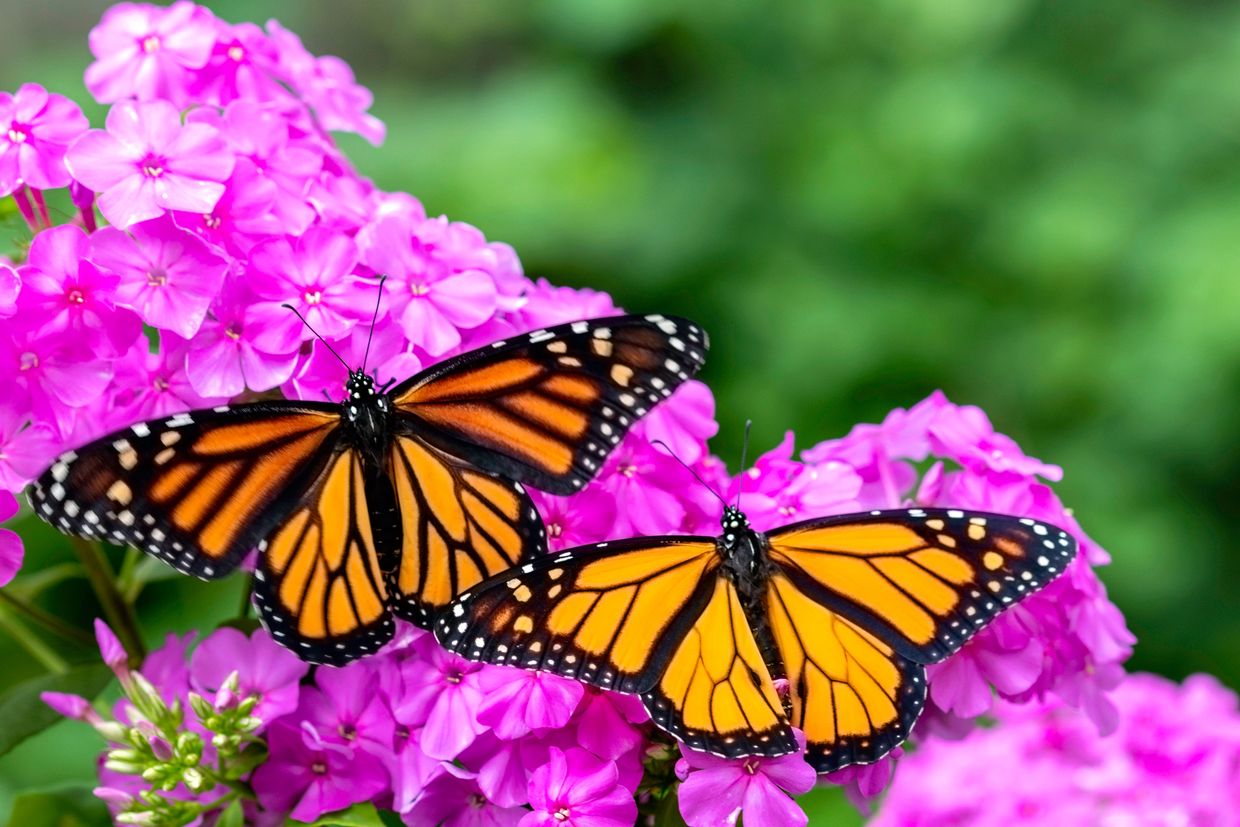
The rapid decline of monarch butterflies is often framed as an environmental issue. In reality, it is also a public health warning.
Monarchs are harmed by pesticides, herbicides, air pollution, heavy metals, and endocrine-disrupting chemicals—many of the same exposures linked to neurological, hormonal, immune, and metabolic harm in humans. Neonicotinoid pesticides disrupt butterfly navigation and reproduction; organophosphates damage their nervous systems. In humans, these chemicals are associated with neurodevelopmental effects, cognitive impairment, and long-term health risks.
Herbicides such as glyphosate eliminate milkweed, the monarch’s sole food source. In people, glyphosate exposure has been associated with gut microbiome disruption and possible carcinogenic risk. Air pollutants that damage plants and insects contribute to cardiovascular and respiratory disease in humans.
Monarchs are not just victims of environmental toxicity—they are sentinel species, offering an early warning of systemic imbalance. Their decline reflects a broader chemical burden affecting ecosystems and human biology alike.
From a Whole Health perspective, this connection is unavoidable. Mental and physical health are shaped not only by genetics and medical care, but by the environments we inhabit. When ecosystems are compromised, human resilience suffers as well.
Protecting pollinators, reducing toxic exposures, and restoring natural systems are not acts of environmental idealism—they are investments in collective wellbeing.
Whole Health is One Health.
The health of humans, animals, and the planet is inseparably linked.
Whole Person Health is One Health for All
The Plight of the Monarch Butterfly
Neonicotinoids, pyrethroid insecticides, and various herbicides are highly toxic to monarch butterflies and harmful to humans. These chemicals, used in agriculture and urban landscaping, cause mass mortality in monarchs and are linked to neurological issues, reproductive harm, and birth defects in humans.
Chemicals Toxic to Both Monarchs and Humans
- Neonicotinoids (Neonics): Systemic insecticides (e.g., imidacloprid, clothianidin) that poison the entire plant, including nectar and pollen, causing lethal/sublethal effects in monarchs and potential developmental/reproductive harm to humans.
- Pyrethroids: Commonly used in urban mosquito control, these insecticides have been linked to mass die-offs of monarch butterflies and, in high exposure, are toxic to humans.
- Herbicides (Glyphosate): While not necessarily directly toxic to adult butterflies in small amounts, herbicides like glyphosate destroy milkweed, the exclusive food source for monarch larvae, creating a nutritional crisis.
- Genetically Modified Crop Pollen: Bt corn pollen, engineered to produce its own insecticide, has been found to be toxic to monarch larvae.
Exposure Routes and Impact
- Monarchs: Larvae ingest toxins from contaminated milkweed, while adults consume toxins from nectar, leading to poisoning, behavioral changes, and death.
- Humans: Exposure occurs through inhalation or ingestion of contaminated food/water. Studies have linked neonics to potential risks in human development, including autism spectrum disorders and damage to the immune system.
Notes on Natural Toxicity
- Milkweed (Cardiac Glycosides): Monarchs are, however, naturally poisonous to predators (not humans) because they consume milkweed, which contains cardenolides that make them taste bad to birds.
For safe gardening, avoid using these pesticides, particularly in areas with milkweed and nectar plants.
On the Wings of Life
If you have any questions about our services or would like to schedule an appointment, please don't hesitate to contact us. We're here to help you on your journey towards improved mental health.
Flight High Butterfly
On the Wings of Life
The Eastern monarch butterfly undertakes an incredible 3,000-mile, multi-generational annual migration, traveling from southern Canada and the US East Coast to central Mexico. Starting in late August, a special, long-lived "super generation" flies south, roosting in oyamel fir trees to overwinter from November to March before returning north to breed. The Autumn Migration South
- The "Super Generation": Unlike summer generations that live for 2–5 weeks, the final generation of the year (born in late summer) lives up to 6–9 months, enabling them to make the long trip.
- The Journey: Beginning in August and peaking in September/October, millions of monarchs from the East Coast and Canada migrate south, traveling 25 to 30 miles per day.
- Navigation: They use an internal compass, tracking the sun's position and using an internal clock to navigate, according to YouTube videos and YouTube videos.
- Destination: They fly toward central Mexico, often funneling through Texas, to reach specific oyamel fir forests in the mountains of Michoacán, where they form dense, energy-conserving clusters.
Wintering and Return
- Overwintering (Nov–March): Monarchs remain in a state of diapause (hibernation-like) on the trees in Mexico to conserve fat reserves, say sources like the Sam Shine Foundation.
- The Return North: In March, these same butterflies break from their colonies, mate, and begin the northward journey, laying eggs in the southern US/northern Mexico for the next generation.
- Generational Cycle: It takes three to four generations to complete the full northward journey, with each successive generation moving further north, note Mass Audubon and Reddit users.
Key Threats and Facts
- Migration Barrier: The Rocky Mountains and Southwest deserts act as barriers, forcing Eastern monarchs to fly toward Mexico, rather than the California coast, explains the Xerces Society and the Xerces Society.
- Threats: The population is threatened by habitat loss, pesticides, herbicides, and extreme weather, notes this YouTube video.
- Unique Migration: Monarchs are the only butterflies known to perform such a long-distance, two-way migration, say UGA Extension and the US Forest Service.
Whole Person Health is One Health for All
Find Active Hope at SALUS INTEGRATIVE PSYCHIATRY Psychiatry
Salus Integrative Psychiatry is a unique approach to whole person health integrating community and planetary health.
Your mental health is not just inside of you. It is affected by your environment and the people around you. Your lifestyle plays an important role in your well-being, and the good news is it can be changed.
Do you need help with your mental health? Do you suffer from anxiety, depression or do you feel burned out? Are you concerned about the chemicals in our food and water?
Salus is a new clinical model that integrates mind, body and spirit with care for the community and the environment.
At Salus you will find an experienced and dedicated provider that is deeply committed to helping you and your family heal and thrive.
If you are hurting, I can help you in ways in which traditional medicine hasn’t helped you. You can reach me at Siham.MuntasserMD@salusintegrativepsychiatry.com.
For more information visit my website: www.salusintegrativepsychiatry.com.
Get in Touch
If you have any questions about our services or would like to schedule an appointment, please don't hesitate to contact us. We're here to help you on your journey towards improved mental health.